יום שבת, 17 בינואר 2015

Guidelines For The First Puppy Training School Class Pets Articles

Enrolling your puppy for Puppy Classes at a Dog Training School will give your puppy a great start and here are a few tips to help the first class go smoothly for both you and your puppy.
You have made a good decision to take your puppy to Puppy Training School and here are some tips on how to prepare for the first class. Dress in casual comfortable clothes as you will be totally involved in the training of your puppy and it is not unusual to have to sit on the floor with your puppy. Also wear shoes with low heels and soft soles.
You probably will also need a pocket or waist bag for tit-bits and it is a good idea to wear trousers if possible as skirts tend to flap in a dog's face.
These tips will help you prepare your puppy too. To ensure that your puppy is comfortable wearing a collar start placing one on it long before the first day at school.
You don't want an over excited puppy arriving at school on its first day, so if you need to take the puppy by car to the venue ensure that the puppy is used to travelling in the car.
It is advisable to take the puppy for short rides in the car a few days prior to starting school so that it gets used to it.
It is not a good idea to feed your puppy just before leaving for class. Rather feed your puppy at least an hour before training so that it has time to do its business before you leave for class. You don't want the distraction of cleaning up accidents in the class!
By arriving at the Puppy School in good time will help your puppy as it will then have time to get acquainted with the area, have another run around outside and greet the other puppies attending the class.
You will I am sure find that there are a variety of dogs attending the same puppy class, but this will not be a problem if your puppy is already used to socializing with other dogs.
Be prepared to give the puppy a lot of reassurance and love as it may be a little nervous if your puppy is not used to other dogs. I recommend choosing a spot next to another puppy of similar size to your own.
Be committed to attending all the classes if you have enrolled your puppy at Puppy School for a full course. However, if your puppy is not wellComputer Technology Articles, it is still worth your while to attend the class without your puppy and then once it is feeling better you can catch up with the training at home.
Be sure to give your puppy lots of praise during and at the end of each class and remember to do your homework before the next lesson and practice what you both have learnt in the training when you get home.
As consistency in training a puppy is very important share the commands and training techniques that you learnt at the puppy school with the other members of your family so that you all use the same commands and avoid confusing the puppy.
Source: Free Articles from ArticlesFactory.com


ABOUT THE AUTHOR


The Puppy Dog Training Tips website is filled with tips for training a puppy. Subscribe free to the Puppy Dog Training Tips Newsletter and receive free dog and puppy training tips and more.

יום שלישי, 13 בינואר 2015

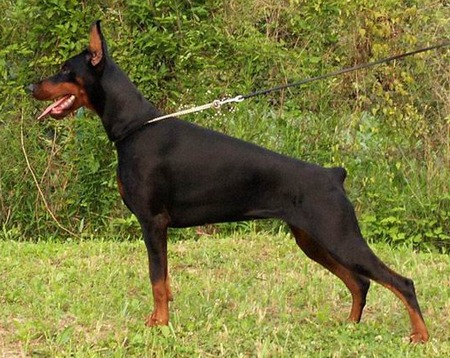
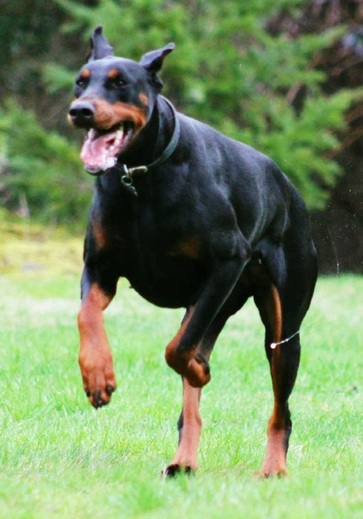
Caring For Your Doberman Puppy By Joseph M Sabol

It seems like you have been waiting forever, but its finally time for your new Doberman puppy to come home. Every puppy needs to be taught and trained on how to adapt to his new family, and the family has to adapt to having a new puppy in the house. The new puppy may be a little scared and sad to be away from his litter mates, or he may be excited and curious to explore his new home. Either way, there are some basics in caring for your new Doberman puppy.
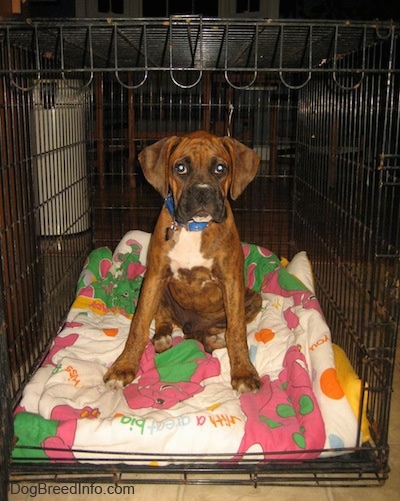
It is important to have a crate for your puppy. Put a blanket or towel in the crate and introduce your Dobie to the crate as soon as possible. Leave the door open so he feels like he can go into his "den" whenever he wants. You can also put a toy in the crate. If your puppy gets tired, or overwhelmed, he will likely appreciate his own special place to rest. The first few nights at home can be difficult for the puppy and the family. You can expect the pup to cry and whine most of the night. Something we found helpful was to put a large stuffed animal in the crate. We found a stuffed dog that was bigger than our puppy, and she immediately cuddled up to the toy like she would with her litter mates. After a few nights your puppy will get used to sleeping in his crate. If you can place the crate in an area of your home where it will not be isolated, this is best, especially at night.
The best food for your puppy is a premium quality dry kibble, formulated especially for large breed puppies. This special formula insures the proper amount of protein and other nutrients while preventing the puppy from growing too big, too fast. Rapid growth does not allow the bones and joints time to develop properly, which will cause problems as the puppy matures. We also give our Dobermans a human grade, all natural pet vitamin. This provides supplements not in the dog food and not naturally produced by your dog. Omega fatty acids and antioxidants are beneficial for your dogs healthy immune system.
Dobermans at any age do not like to be alone and away from their family. Your Doberman puppy will need lots of attention, but this is a good thing...who doesn't want to play with their puppy as much as possible? Socialization is especially important for a Doberman puppy. Any family members, neighbors, friends of your kids and neighborhood pets that will be around your new Dobie should be introduced early on. This way your naturally protective new family member will know there is no threat or danger to "his" family.
Puppy kindergarten is a good idea for your new Doberman puppy. This provides several important benefits. It will get your pup used to traveling in the car and being out in public. It will be an excellent, positive opportunity for socialization, and it will give your busy, active puppy someplace to focus his energy. Dobermans are very intelligent and highly trainable. They are happier if they are challenged physically and mentally. Basic obedience classes will help your puppy learn manners and will make him much easier for you to control. Believe me, a Doberman will try to be the boss if given the chance!
Dobermans are a working breed and they like to have something to do. This is a breed that requires a lot of attention, even beyond the puppy stage. They are great companions and family dogs. If you take the time to work with your puppy, he will grow up to be a cherished member of your family.
Joseph M. Sabol is a world class Doberman breeder. Please go to http://petvitamins4u.com or to http://theroadhousedobes.com for further information.
Article Source: http://EzineArticles.com/?expert=Joseph_M_Sabol

Article Source: http://EzineArticles.com/1629170

I Just Got a Doberman Puppy! Now What? By Joseph M Sabol

Your Doberman puppy should be no younger than 8 weeks when you bring him home. Being separated from his mother and litter mates for the first time will be a big adjustment. So, how do you make his transition to your home as smooth as possible? One thing you might want to do is take a blanket or towel to the breeder and rub the other puppies and the mother with it to get their scent on it.
When you first get home with your Doberman puppy, the first thing you should do is make him an appointment with the vet, if you have not already done so. The next thing is take him outside to the yard where you will want him to do his business. Let the puppy explore and become familiar with "his" territory. If he happens to do his business while he is playing in the yard, praise him. After he has been outside for a short time, bring him in and let him explore the house. Keep areas blocked off that you do not want the pup to go. Doberman puppies are by nature bold and curious. They are not usually timid and fearful, but if your pup is a little scared or nervous, he will get over it quickly.
Introduce your puppy to his food and water dish. You should have food available all day for a young pup because they grow so fast. It is best to feed a premium dog food especially formulated for large breed puppies. This will guarantee the growth and development rate will be appropriate. This is also a good time to show the puppy his crate. Place the blanket with the scent of the mother and puppies in the crate. Put him in there with a toy and leave the door open. The crate will be the pups home when you are away. It will also be his own "den" where he can go for a time out. It is important not to send the puppy to his crate as punishment. It should be a place he likes to go.
The first few nights at home will be less than peaceful, unless you intend to let your Doberman sleep in bed with you. This may seem like a good idea in the beginning, to keep him from barking all night, but a full grown Doberman does not leave much room in the bed for you! There are a few tricks you can use to help your puppy learn to get though his first nights away from the rest of the litter. The blanket with the scent from his litter mates is important. Another trick is to keep a nightlight on and the TV or radio playing softly. I had good luck with a large stuffed dog in the crate for my youngest Doberman. She cur
led up to it and went to sleep. I cannot promise this will work for you... count on several nights of barking and whining. It really does not take that long for the puppy to adjust.
Since puppies are so playful and active, they tire easily and nap frequently during the day. Make sure you give him plenty of exercise before bedtime.
One of the most important things you will need to do with your Doberman puppy is socialization. After he has had some time to meet the family and get familiar with his new home, you will want to introduce him to other people he will encounter on a regular basis. He should be introduced to your childrens friends as well as your neighbors. You may even want him to get to know your letter carrier if the pup will see him every day. Do not forget to introduce your puppy to the neighbors pets. Dobermans are not always friendly with other dogs and since they have a high prey drive, they are likely to want to chase smaller animals. Make sure you Doberman puppy gets to know nearby dogs and cats while he is still young.
Doberman puppies are a lot of fun, and will be a wonderful addition to your household. Your Doberman will grow up to be an extremely loyal, loving and affectionate family member.
Joseph M. Sabol is a world class Doberman breeder. Please go to http://petvitamins4u.com or to http://theroadhousedobes.com for further information
Article Source: http://EzineArticles.com/?expert=Joseph_M_Sabol

Article Source: http://EzineArticles.com/1372781

יום ראשון, 11 בינואר 2015

Puppy Crate Training - The Fundamentals by Alex Page

Every trustworthy puppy owner desires what's best for his or her pet. Individuals have puppies as pets because they desire companionship, they enjoy the company, they enjoy the fun and playful attitudes of the puppy, or maybe their puppy offers a sense of security for the family. For whatever reason you have a puppy, crate training him is an important way to keep your relationship with your dog as gratifying as possible.
There are numerous rewards to having a crate-trained puppy. Puppy crate training€¦
- aids in housebreaking your furry friend.
- provides him with his own private area which can be moved if needed.
- prevents destructive conduct.
- safeguards your puppy from potentially risky items in your household.
- offers a stable, easy method of transporting your puppy.
- is welcomed in many hotels. Some hotels will only let your puppy stay in the room if he is crated.
- gives you the comfortableness of knowing where your puppy is if you are having visitors at your house.
If your puppy has behavior problems, crating your puppy can keep those troubles unreachable from your puppy. If you are potty training a puppy or re-training an older dog, the crate is a worthwhile tool used to accomplish the task. Puppy's have a natural instinct to find a den or safe place for lying. The puppies find comfort and safety in their hideaway. If you've ever noticed how puppies like to curl up in confined places, under tables or chairs, next to furniture, against pillows, etc., then you've witnessed a puppy's natural tendency to find a den. When a puppy is born, the mother teaches her puppies not to soil their sleeping or eating area. The mother is constantly keeping the "den" clean for her and her puppies. Even when they are newborns, the
puppies know to go away from their sleeping and eating area into another spot. Call it instinct or call it a mother's guidance, but puppies learn not to pee or poop where they rest or eat.
When puppies are used to having their own safe place, they will return to it out of habit for comfort, rest, and security. When your puppy learns that there is never disorder in the crate, that all is quiet in the crate, and that the crate is his home, he will return to this safe-haven without hesitancy, either on command or on his own.
It's important that you realize this final point€¦ puppy crate training is supposed to create a good surrounding for your dog. Never discipline, shout, or mistreat your dog in any way while he is in his crate. Dogs invariably react better and more consistently to positive support. If you are serious about making your crate training positive for you, then you need to make an attempt to keep the crate training positive for your dog first.

About the Author

Alex Page has been a happy pet owner for nearly 30 years. He enjoys helping pets and pet owners have the best relationship possible. He is currently a key article contributor to 123-pet.com, a site dedicated to discussing all things about pets such as dog training techniques, correcting puppy crate training, and cat and dog products.

Easy Steps to Puppy Crate Training by Jude LeMoine

Puppy crate training is easy especially if you begin training your puppy the day you bring him home.
Buy a crate big enough to allow puppy to lie down, stand and turn around inside it, but not so big she will be inclined to use it as her toilet (Dogs do not like to toilet in a small living space.)
If your puppy will grow to be a big dog, find a crate with a moveable divider. Otherwise, you'll need several crates from puppy to adulthood.
Put a washable pad or folded old towels in the bottom of the crate.
Puppies are naturally curious. If there's a crate in his long-term confinement area with the door open and a few pieces of kibble inside, your puppy will investigate it. Bet on it!
Every time puppy investigates the inside of the crate even if only to put his head in, praise him and give him a treat.
If there's an especially tasty treat at the back of the crate and she goes inside to get it, do NOT close the door.
In the unlikely event that she ignores the crate entirely on day one, do nothing. Make a plan for day two to make the crate more interesting. Puppy training is a creative endeavour for you. Think like a puppy when you want to achieve something. For example: on day two, you and puppy are playing with a squeaky toy. Once she is really interested in the toy, toss it into the crate €" not too far inside the first time. Praise her when she retrieves it. The threshold of the crate has been crossed!
Toss the squeaky toy into the crate intermittently while you continue to play. Toss a treat or two in the crate in place of the toy just to keep it interesting.
After she's retrieved the toy or the treat from the crate 3 €" 5 times, end the session.
Play the same game several times throughout the day.
On day two of crate training puppy, put her breakfast just inside the crate. It doesn't have to be in a dish. A small mound of kibble will do nicely. Do NOT attempt to move her further into the crate or close the door. If she is reluctant to go in, play day one games again today and try putting dinner in the crate.
Patience and small steps will win the day!
If feeding breakfast in the crate went well, feed lunch the same way, perhaps placing the mound of kibble mid-way to the back of the crate. If puppy is undeterred by having to go a little farther into the crate, close the door halfway.
Repeat this crate training procedure at dinnertime.
On day three, feed puppy at the back of the crate, moving the door slowly towards the closed position.
If at any time during puppy crate training your puppy is uncomfortable, back up to the previously successful step.
Taking tiny steps in all the puppy training you do is more time consuming to be sure.
The payoffs are:
1) A confident puppy
2) A puppy who trusts you
Isn't that what training your puppy is all about?

About the Author

All the information you need to raise a well-mannered puppy can be found on my website:
http://www.judethepuppynanny.com/
See the article " Bozo's Safe Place" parts 1 and 2 for easy to follow crate training advice.

יום חמישי, 8 בינואר 2015

Puppy Training - Basic Learning Tips For the New Dog Parent By Sherry L Harris

Owning a puppy is one of the greatest joys people can have. In order to keep that joy going strong, you will want to train your puppy. This does not have to be difficult because just the basics of puppy training actually are necessary. You do not need your puppy to know any fancy tricks or anything like that to be a good dog. Really all you need is a house trained dog and a dog who listens to you. You actually will be able to do that on your own too, all you need to know are a few basic training methods.
One of the first puppy training methods you will want to implement is potty training. You can make this easier on both of you by bringing your puppy to the actual place you want him going. This will get him accustomed with it. In addition, you will want to watch for signs that he is ready to go. When you think you see them, you should take him out so he realizes he is supposed to go outside. You also want your puppy to learn to come to you. You can do this easily by making it the best thing to go to you. Give him lots of verbal and physical praise so they will be more likely to go to you again.
Another basic puppy training tip to use actually is a tip to avoid doing something. During the training, there will be times when your puppy does not do what you want. It might be tempting to verbally yell at him or even physically hit him. You should never do either one of these things because it only will put fear into your puppy. They will be afraid to do anything you tell them to because they think you will hit them. Sometimes knowing what to avoid is as good as knowing what to do.
You also will want to teach your puppy how to be on a leash. This is important because you will want to take your puppy for walks. This is an easy puppy training technique because it just takes practice. You do not even have to do anything special. All you have to do is get your puppy used to being on a leash and being walked. If your puppy is trying to pull the leash, just tell him no and pull him back.
Sherry Harris the author of a wide range of puppy topics including, but not limited to: puppy training, grooming, pet travel, pet food, and dog supplies. For hundreds more free puppy articles visit http://www.DogStyleNetwork.com. Hope you enjoyed the article topic on Puppy Training. Discover the best methods to quickly and easily train any puppy today!
Article Source: http://EzineArticles.com/?expert=Sherry_L_Harris

Article Source: http://EzineArticles.com/2675840

Giving Your Dog and Puppy Training Basics Makes For a Well Behaved Dog By Michael J. Brown

Most of us love our dogs and, unfortunately, most of them drive us crazy, but instead of trying to properly train them, we simply put up with their negative behavior because we don't have the time or extra money to put them through obedience dog training. The thing is that dog and puppy training doesn't have to be hard and it doesn't take hours and hours to get some solid basics of good dog behavior under your belt.
Now, there is no denying that when you're working to teach a dog to be well behaved, it can feel like quite a challenge. After all, when you're working with a puppy, you're dealing with a 'baby' that very quickly grows into an adult. This means that you have to work extra hard to give them the information they need to be the best dogs they can be.
The problem is that if you don't know how to properly train your dog, you could wind up with one that thinks you're his friend before his master and that could cause one big behavioral mess. While it's true that your dog will always be a work in progress, it doesn't mean that they can't be well trained.
Sometimes we need a little help to learn the basics of dog and puppy training and that's okay. This doesn't mean that you need to give your dog constant treats or that you can't reprimand her occasionally, but some of us need to learn the right balance in these training techniques to be able to have a truly well behaved dog.
For instance, do you have any idea how your dog thinks? Did you know that your dog really just wants to be a dog and can develop anxiety when you don't let it "just be a dog"? The right dog and puppy training will help you to learn these things and so much more.
Do you know how to properly train your puppy to go outside rather than make messes in the house? For some, this takes years to finally master, but it can be done in a shorter amount of time if you know the right way to teach them. For example you can use a crate to train your dog or puppy.
So, maybe you've decided that you do want to enlist the help of a dog professional to properly train your dog or puppy. This is good, it will give you the basics toward having a fabulous relationship with your pooch, but where do you find good training tips without having to pay a ton of money that you may not have?
You can now find quality dog and puppy training lessons online that you can start with right away and the price cannot be beat, compared to attending classes. Learn how to potty train your puppy, teach her good manners and walk politely on a leash, no matter where you are. Why sign up for a class that you have to wait to start and pay hundreds of dollars for when you can start training your best friend today and take your relationship with your dog from okay to fabulous in no time.
Michael Brown has always had an interest in dogs and their behavior. From an early age training dogs has been a passion. You can find more information about dog and puppy training online with professional dog training by visiting 'Dog Training and Dog Behavior' baddogproblems.com.
Article Source: http://EzineArticles.com/?expert=Michael_J._Brown

Article Source: http://EzineArticles.com/3224465

Puppy Training Basics - Communication, Consistency, Connection By Jane Hartfield

I finally have another baby in the house. It's been awhile; my girls are 19 and 12. I thought I missed having a baby around the house. The toddler years seemed like a distant dream of a far-away land, one I could never visit again. Then we got Maggie. She gorgeous. She's smart as a whip. She cuddles. She's fun to play with. She reminds me so much of what I've missed having around the house these last several years. In fact the first few weeks we had her I felt like I was in heaven. She's now 6 months old and I have to say, things have changed a bit. I don't exactly feel like I'm in purgatory but it's certainly not heaven anymore.
Maggie is my first puppy. There really is only one solution for the first time puppy owner, get help. I did. It's probably been the wisest decision I made. I attend puppy-training classes with Maggie at our local PetSmart. The instructor is soft spoken, firm, committed, incredibly patient, and loves animals. He taught me about puppy training basics. More specifically, I learned about communication, consistency, and connection.
Communication
There are two things to remember when communicating with your puppy. As humans we communicate on several levels due to the different manners in which we express that communication. Communication is conveyed through our words, our body language, and our tone. They convey not only our thoughts but also our attitudes.
Little puppies have no greater desire than to please their owner. When this fact is given priority over all others, it becomes easier to communicate clear, firm, loving messages to our babies. In the beginning, whenever Maggie did something she wasn't supposed to I'd raise my voice, repeatedly. Honestly, I didn't want to get up and deal with it. I was kind of hoping she's just listen to my words and my tone and stop what she was doing. That doesn't usually work.
Did you know that people who make threats usually don't follow through on them? Puppies know, at least Maggie does. If I repeatedly tell her to stop or she's going outside she figures one of two things will happen:
a. I'll get busy with something else and forget about her.
b. She has somewhere between 2 and 10 minutes before I will actually get up and do something about it.
Either way, Maggie is in control because she gets to continue her behavior without any danger or immediate consequences. Harsh voices are as ineffective as loud ones. A loud voice, especially one without an action, communicates displeasure but also it communicates frustration and inconvenience. When the loud, harsh voice is accompanied by physical violence, the puppy is left in no doubt as to his/her owner's feelings toward them.
When dealing with puppies it is best to practice using a soft, firm voice that states the command once and then acts upon the puppy's response. I've watched Maggie's trainer. Even though she will obey my commands, she obeys his on the first command. If he looks her direction, her ears are perched. If he approaches her, she looks up to see what he wants her to do. Through a soft, firm tone, her trainer is able to clearly communicate his command.
Consistency
Puppies are like little children. They have very short attention spans. This makes it very difficult for the puppy to process more than one command at a time, especially without practice.
In school as a child I had to memorize my multiplication tables. This was accomplished through repetition. The more often I went over them, the quicker I remembered them. Puppies are exactly the same. In the training classes we begin with simple commands. At the end of each class the trainer reminds each one of us to be practicing with our dogs until the next class. This daily practice time does two things:
1. It builds relationship between me and my dog, letting her know that she is important to me as we spend time together.
2. It provides her with the opportunity to practice, after all, if at first you don't succeed, try, try again. I've never seen a baby learn to walk that didn't first fall down.
Over these last 10 weeks Maggie has become accustomed to the commands we give her. She's also gotten used to the process of going to class. The structure of a weekly outing bonds her and I closer together. Through consistent rules, consistent outings, and even consistent affection, Maggie has the freedom to be a puppy. The process of consistency has helped make her happy and well adjusted to her new home.
Connection
Connecting with the puppy is the key to the quality of relationship that you will experience with your dog. All through the years I've listened to my kids say, "Will this cat be mine? Do you think the dog will like me best? I want the bird to be mine."
All the animals have preferred my husband to everyone else in the house. My girls get mad about it and occasionally I even get jealous of it but I've learned that the preference they have for my husband is based on the connection he has made with them. Having watched my husband over the years and desiring to make a connection with Maggie that will inspire loyalty, I have deduced three things my husband does to establish and build upon this connection:
1. He feeds the animals, always. He doesn't shirk it off and ask anyone else to do it for him.
2. He greets them whenever they have been separated - at the end of his work day, at the beginning of their day, when they come out of the kennel, or even when he comes back from a quick trip to the store.
3. He hangs out with them and pets them. Sometimes I'll find him on the office floor with his Lego's and the puppy. Other times he will take the dog with him to the store. Then there are the occasions he will sit and watch television, petting them and talking to them. More often than not my husband can be found in the kitchen with a handful of doggie treats going over Maggie's commands with her.
4. He takes them to the vet, the groomer, and gives them medicine. These tasks are very important because they reassure your pet that you care. Whether it is something they enjoy or don't enjoy, the animals can be sure that my husband will be a part of it with them.
Connections are the moments that we share with another, in which a relationship is birthed and nurtured. Relationships take time; they also require effort, whether it is a relationship between two people or between the pet and its owner.
The nicest thing about practicing these puppy training basics is the rewarding relationship I have with my Maggie.
Learn more about training your puppy with these 2 great articles from The Dog Guide. This article has advice for housebreaking a new puppy And here is an article on how to stop puppy chewing
Article Source: http://EzineArticles.com/?expert=Jane_Hartfield

Article Source: http://EzineArticles.com/660859

Chihuahua Puppy Training - Fast and Easy By Al Bullington

Chihuahua puppy training is a challenge partly because the puppies are so small. Being very gentle with your puppy is a must because the puppies are frail and often easily frightened. But with patience and persistence, you can usually make quick progress toward your training goals. You do have training goals, right?
Socialization
Chihuahua puppy care includes proper socialization. Socialization best occurs before the puppy is 3 months old. Avoid frightening and painful experiences. Try some of the following.
  • Invite friends to meet your Chihuahua.
  • Carry your puppy to places where there are groups of people.
  • Take your pup for car rides.
  • Introduce your puppy to being bathed, brushed and inspected.
  • Let your puppy experience anything and everything you wish them to become comfortable around.
Behavior Training
Gentle training is a must for Chihuahua puppy training if you expect to have a well balanced adult dog. Discipline must be done with kindness and patience, never by slapping, hitting and kicking. Rough training is uncalled for with any dog, but especially for very small dogs. Reward the behavior you seek with high praise and limited treats.
Start early to guide your puppy's behavior rather that waiting until you're working with an adult. A dog's behavior can be changed at any age. But it's far easier to guide behavior in a small puppy than to correct adult behavior. And don't even think about letting negative behavior go unaddressed. That's a sure road to frustration for you and your pet.
What About Chihuahua Potty Training?
House training a Chihuahua dog is a must. Of course a dog that isn't house trained makes a mess. But the mess isn't the real problem. If you don't quickly train your dog, your puppy will end up at another home. Hardly anyone can take the frustration of a constant mess. That's why proper house training is so important.
A common method for house training a Chihuahua puppy is the crate method. Puppies won't usually soil their sleeping area. You can confine the puppy is a crate and then very frequently remove the puppy to the area for waste elimination. I the puppy has an accident, quickly carry them to the proper place. A few days of this close supervision will probably teach the desired behavior. Remember though that accidents will happen so be patient and consistent.
Barking And Whining
First try to determine the reason for the barking and whining? Is the puppy uncomfortable? Why? Is there a good reason? Is the puppy too full of energy? How about more exercise? Or is the racket just blackmail? Part of Chihuahua care is teaching your puppy to handle isolation and separation. Dogs can't get everything they want any more than people can.
Puppies need time with people to feel secure. But don't accept uncontrolled barking that irritates all the humans within hearing distance of this dog.
Biting, Mouthing Chewing
Puppies bite and chew on body parts and clothes. That's just part of being a puppy. But early on, this painful and destructive behavior must stop. Puppy biting and chewing that turns into adult dog biting and chewing is no laughing matter.
Much biting will be controlled if the dog has a chance to play with other puppies. Absent interaction with other dogs, you become the teacher. You can try pained expression of your displeasure with a loud "OUCH". Express the pain but not in an angry manner. Maybe you can leave the room for a short time.
Chihuahua training should begin early and always remember to be gentle and patient with your little puppy. Consistent discipline over a period of time will train your Chihuahua puppy to be the well-balanced pet you want.
Puzzled about how to train your Chihuahua? Need more information? Visit our site for Chihuahua puppy training tips [http://www.chihuahuatips.com/chihuahuatraining.html].
We invite you to visit [http://www.chihuahuatips.com] for answers to your Chihuahua dog questions.
Article Source: http://EzineArticles.com/?expert=Al_Bullington

Article Source: http://EzineArticles.com/1017825

יום שלישי, 6 בינואר 2015

Puppy Potty Training Tips By Kim L Smith


Puppy potty training is one of those times that you will be able to give your puppy a treat that he really deserves and loves. Now most people will want their puppy to learn to use the potty outside rather quickly. However some mistakes can be made that will not help your puppy be potty trained quickly. Some of them are you are hurrying your dog, you are not paying attention to your dogs behavior when he tells you he has to go potty, or you just do not take your puppy to the proper spot for him in your hard.
First I will cover some of the mistakes that people frequently make while potty training their puppy. The first one that I will go over is trying to speed the puppy up while he is deciding to go potty. Yes, I understand that some of you may say well it's snowing or raining, or cold. However, you must remember that your puppy has a fur coat on. He will not like to be hurried and that if you do hurry him while potty training your puppy it will only cause him not to go outside and then you will have an accident in your home.
The next problem that people may encounter while trying to potty train their puppy is you are not paying attention. Now like your kids or any other animal that you are potty training you will learn subtle hints from them that they have to go potty. Now take for example your kids they will typically come up and tell you that they have to go pee, or that they have to go potty. I know my son does that to me now constantly and he just began potty training. However, your dog will not be able to run up to you and tell you in words. Some dogs may bark at you, paw at you, or just look at you. Now these are all signs that your puppy is giving you that he has to go out. One thing that I did for my little puppy is I got bells that hang low enough on the back door that he can paw at them and get them to ring so I know he has to go out. This could work for you and your puppy.
One of the problems that took me the longest time figuring out while I was potty training my puppy was finding the proper spot. Now this may seem kind of odd to you, but from my experience in potty training my puppies they all seemed to gravitate to a certain spot to go potty at. Each one of my puppies while potty training would go to a different spot on the yard which made it kind of difficult, but at the same time once they found that spot in the yard they go there each time. So you might have to walk your dog around your whole yard before he finally finds that one spot. That way if you are in a hurry and he is close to being fully potty trained you will have a great idea where to take him to. I know my dogs when I reach the spot they use typically go potty right away.
Now though onto how you can easily potty train your puppy. Potty training of a puppy typically requires a set routine on feeding and walking this will help get your dog used to what time it gets to go potty and help you out if you work all day or night. Another method that you can use is crate training which will help out to avoid accidents because most dogs do not like going potty in an area that they sleep in. Some of the other methods are letting them circle around you on a leash, having a lot of patience is a big one. Remember your puppy while potty training is only a baby so accidents will occur and when they do try not to get upset at your puppy, remember he is only potty training.
So the first method that I will cover for successful potty training of your puppy is setting a schedule. Now much like working we have a set time that we have to be at work your puppy will need a set time to go potty. Remember that your puppy while potty training will need a schedule that he can get used to. Another key point to remember is that while potty training your dog you have to keep doing the same thing with your dog for him to become familiar with the potty training.
Another way to manage potty training your dog is with the use of a crate. Some people may view crate training as cruel because your puppy gets put in a crate while in this stage. However, I must say that crate training saved me a tremendous amount of time. Crate training is great for potty training because most dogs do not like going potty near where they sleep. Not only that crate training will give your puppy a place of security that they can go to when life's stresses are hard for him to deal with at that moment.
One method that I actually found by accident was letting my dog circle me while he was on his leash. Now you might say that you will get tangled up while he is circling you which can happen if you are not paying attention. However, most of us will notice when a leash is being wrapped around us. Now I found this method to be quite effective at first I could not figure out what my dog was doing, but then remembered that he is potty training and let him do what he wanted. So I let him circle around me several times and actually found out that he would go potty really quickly because he found a spot to go on faster.
However, the most important thing with your puppy while he is potty training is to have patience. Patience for when he has accidents and you want to yell and scold. Patience while he is trying to find his spot in the yard and you're getting soaked or freezing will help bolster his confidence in potty training. Patience while potty training is key because your dog will sense the stress that you have while he is potty training and get nervous about potty training. So remember the key to any potty training is patience. This goes for your kids, dogs, cats, and any animal that you may get.
The methods that I suggested crate training, paying attention to my puppy while potty training, getting my puppy set on a potty training schedule, and having a lot of patience led to my puppy being potty trained. However, if I did not use these methods I am sure my puppy would not be as well potty trained as he is now. Also I know for a fact that if I did not pay attention to my puppy while potty training, hurried my puppy or did not let him find "his" spot in the yard he would not be potty trained. Hopefully your puppy will be potty trained soon so you too can enjoy a long and healthy life with a fully potty trained puppy!
I live in Ohio with my wonderful husband and two beautiful children. I have two English Mastiff puppies, a Lab-Retriever, and a Yorkie Poo. I also have two cats who came to us as strays. I love sewing, crocheting, and managing to take care of my zoo at the house. Since I have so many pets I have a strong interest in animal issues. For more great information and training advice check out Kimberlys page at http://howtotrainmydog.weebly.com
Article Source: http://EzineArticles.com/?expert=Kim_L_Smith

Article Source: http://EzineArticles.com/1816979

The 6 Tips on Puppy Training By Wei King

All puppies should be trained, so that they can get along well with their owners, the following tips on puppy training will help you train your puppies.
Train your puppy to lie down
When you train the puppy to lie down in front, you should hold the leash in your left hand. First, let the puppy lie down in front of you,then shake your right hand from the top down, and say "lie down" to him. At the same time, pull the leash down with your left hand to hang his head down and lie the whole body down. If the puppy is unwilling, you can pull his collar down. As well, when you give the command, you can pull his forelegs to be straight before lying down, if he get it well, give him nice food as a reward at once.
Train your puppy to bring and carry
There is a training way, in which you can train the puppy easily. Throw a ball and let your puppy bring it back, repeat that again and again.When you throw the ball, say "Bring the ball back" to the puppy. when he gets the ball in his mouth, say "bring" to him. Prepare a little food in your pocket, drop it on the ground when the puppy come to you. The puppy will open his mouth and drop the ball for the food.
Train to call name of your puppy
Before training, you must name your puppy firstly. For a good name, you can choose a word one or two syllable, so that your puppy can remember and distinguish the name. If you have two or more puppies, the pronunciation of the names must be dissimilar, which can avoid to confuse your puppies. What's the best time to Call Name Training? in general, it's a suitable time when the puppy's mind is at ease, such as when he is playing or begging for food.
Train Your Dog To Heel
Our training pay more attention to friendly communication between puppy and the owner.
1, Get a toy or food which your puppy love with you, let the puppy sit down beside your left leg. Remember that Use the toy or food move puppy's attention to you.
2, The owner takes one step forward, tap the left leg, say "Heel" or "Follow" to the puppy.
3, If the puppy is obedient to sit beside you, give him a little food or a stroke as a reward. In addition, keep some space between you and the puppy. when you encourage the puppy, the leash must be loosened, so that puppy knows it's right not to pull the leash.
4, If the puppy runs around, don't worry, call him back and start again.
5, The training time should be limited in 20 minutes. After training, the puppy must be given a lot of fun as a rest, also you can play a game with him.
6, After one week's training, I'm sure the puppy can walk well following you. It's a good beginning, train him frequently, the puppy will follow you adroitly.
Puppy Barking
Dog's barking is a natural behaviour, the frequency of Dog's barking depends on how you train. Of course, some breeds of dog love barking congenitally, for example, the breed of small, vigorous and alert dog. By comparison, a large dog's dark is deep and powerful, also it's less noisy than a small one's dark.
All puppies should be trained, so that they are conscious of when they are supposed to bark and when not. If your puppy dark at the wrong time, you should give him a verbal warning, such as "Hey, be quiet!". If he will be quiet down, give praise to him at once. Your "hey" must be loudly and rigorous
Wei King is a web administrator of DogTrainingWays.com, this site offers best tips on dog training and puppy training for free, if you are going to train a dog, watch my articles, these articles will help you.

Article Source: http://EzineArticles.com/1664605

Puppy Training and Puppy Play - the Importance of Socialization By Brigitte Smith


Puppy training is often considerably easier than training an adult or adolescent dog. One reason is that the puppy is essentially a "blank slate", untroubled by past training techniques and other issues. Another more indirect reason is that you are probably more likely to spend more time and have greater patience with your new puppy than you would after the "novelty" has worn off somewhat. And it tends to be human nature to have greater patience with young (dogs and people), since we know that they're inexperienced in life and they're usually eager to learn.
In other ways, however, the puppy can be a little more difficult to train than an older dog. One challenge to training a new puppy is that puppies are more easily distractible than older dogs. Everything is new to a puppy, and every new experience provides a new chance for distraction. For this reason, it is best to keep training sessions short when working with a puppy, and to end each training sessions on a positive note.
It is also important to allow the puppy plenty of time to play, and to interact with other puppies and dogs. Socialization training is vital to making your new puppy a good canine citizen, as dog aggression is a growing problem in many areas. A properly socialized dog learns how to play properly with other dogs, and overly aggressive play is punished by the other dogs in the play group.
This type of play learning is something that happens among siblings in litters of puppies. As the puppies play with each other, they learn what is appropriate and what is not. Inappropriate behavior, such as hard biting or scratching, is punished by the other puppies, by the mother dog, or both.
Failure to properly socialize can be a major problem with your dog, and it is an important reason for always buying from a responsible breeder, and never taking your puppy home before he is 8 weeks of age. A large proportion of this important socialization experience occurs in those last weeks with the puppy's mother and siblings.
A responsible and experienced breeder knows this, and will never allow prospective puppy owners take puppies home until 8 weeks of age, but it is nevertheless a very important and useful fact to be aware of yourself.
Unfortunately, many puppies are removed from their mothers and sold or adopted before this socialization has fully occurred. In these instances, even more than ever, puppy play sessions initiated by you are a very important part of any puppy training session. Most good puppy preschool training programs provide time in each session for this type of dog interaction.
Introducing your puppy to new experiences and new locations is also an important part of puppy training. Teaching your dog to be obedient and responsive, even in the face of many distractions, is very important when training dogs and puppies.
One great way to socialize your puppy both to new people and new dogs is to take it on a trip to your local pet store. Many major pet store chains, and some independent ones as well, allow pet parents to bring their furry children, and these stores can be great places for puppies to get used to new sights, sounds and smells. Of course you will want to make sure the store allows pets before heading over, and you will also want to keep the visits fairly short, both for your puppy's sake, and in consideration of the pet store personnel.
It is important for puppy owners to structure their pet's environment so that the puppy is rewarded for good behaviors and not rewarded for others. One good example of this is jumping on people. Many people inadvertently reward this behavior because it can be cute. While it is true that jumping can be cute for a 10 pound puppy, it will not be so cute when that puppy has grown into a 100 pound dog.
Laughing at your puppy, or paying any attention to him at all when he jumps up, will be interpreted as a reward by your puppy - he will learn that he will receive attention from you when he does this. So be very careful not to confuse your puppy. There are two strategies for undesired behaviors - firmly saying "No" to your puppy, and/or ignoring the behavior completely. For "repeat offenders", the ignoring method works best, as it is possible that your puppy will be interpreting ANY attention (even you saying "No" to him) as a reward for the behavior.
Conversely, of course, good behaviors should be rewarded immediately (either with treats or simply with lots of attention and fuss - saying "Good boy" in a very positive tone of voice, and stroking your dog at the same time is often just as well received as treats are). This type of positive reinforcement will result in a well behaved adult dog that is a valued member of both the family and the community at large.
The positive reinforcement method can also be used in potty training the new puppy. Teaching a puppy to use a unique surface such as gravel or asphalt is a good technique. The theory is that the puppy will associate this surface with going potty, and therefore be reluctant to use other surfaces (like your kitchen carpet for example) as a potty. Many puppies can, with a little patience, be readily trained to use the same spot for toileting. This is a great technique, as it will train your puppy to go "on command", and will save you having to scour the back yard when cleaning up after your puppy.
Brigitte Smith runs two websites dedicated to dog training, dog care and dog health: Grab your free special report here: Healthy Happy Dogs or here: Dog Training and Wellness
Article Source: http://EzineArticles.com/?expert=Brigitte_Smith

Article Source: http://EzineArticles.com/95008

Puppy Training - Biting - The Steps You Need to Take By Susanne Penfold

One of the biggest challenges that new puppy owners face with their puppy training is the puppy training biting stage. It is one of the most worrying parts of having a puppy especially if you have children. Before we get into the basic steps of how to stop biting puppies we need to understand about your puppy's behaviour.
Why do puppies bite?
When puppies are born they explore the world through their eyes, ears, sense of smell and unfortunately their teeth.
When puppies are in the nest for the first couple of weeks they will start to develop their senses. They will start to play with the other puppies and will start playing with the other puppy's chasing, rolling over each other and biting each other. They want to be number one in the pack and this is a way of getting to the top, but if the puppy gets to boisterous the mum will tell them off.
So you are now his mum and it's your job to reprimand him.
When your new puppy arrives at your home he is now part of your pack. He wants to pick up anything that smells and looks good and he will want to give it a good chew. The problems start when your puppy decides that your fingers fall into this category. This is play biting and we need to stop this behaviour.
If you have children you will need to sit down with them and teach them what they need to do. When puppies bite a child, the child will usually pull away from your puppy and he will think it's a game, the more the child pulls the harder the puppy will hold and the more fun your puppy will have.
Up until the age of around 4 months your puppy will have his milk teeth. These teeth are little needles they will not do much damage at this age but as he gets older his teeth will get bigger and you will feel it. So we now understand why are puppies bites so let's start with are Puppy training biting.
Let's start with your Puppy Training Biting.
One of simplest ways to stop your puppy biting is to bellow "ouch" in a deep gruff voice. This will surprise him and in most cases he will release his grip.
As soon as he lets go offer him a toy, he will learn that he is allowed to bite his toys. Let him chew the toy for a few minutes, then take it from him using the command "give".
You must remember not to get angry with your puppy. You may feel concerned that your puppy biting is a sign of a poor temperament. Your puppy's behaviour is instinctive and it will be your job to teach your puppy that biting is not acceptable if he wants to be part of your pack.
Training your new lab puppy to take toys and treats gently is a great way of controlling his behaviour. This way your puppy will learn how behave in the way that you want him to. If he's good he will get a treat and praise.
Puppy Training Biting next step.
Start off with offering your new puppy a treat. If your puppy tries to grab it, close your hand and use the command "gently".
Offer the treat again; if the puppy tries to grab it again close your hand again.
When your puppy shows an improvement reward him with the treat.
Try this several times a day, withholding the treat until your puppy starts to take it nicely.One of the biggest challenges that new puppy owners face with their puppy training is the puppy training biting stage. It is one of the most worrying parts of having a puppy especially if you have children. Before we get into the basic steps of how to stop biting puppies we need to understand about your puppy's behaviour.
Why do puppies bite?
When puppies are born they explore the world through their eyes, ears, sense of smell and unfortunately their teeth.
When puppies are in the nest for the first couple of weeks they will start to develop their senses. They will start to play with the other puppies and will start playing with the other puppy's chasing, rolling over each other and biting each other. They want to be number one in the pack and this is a way of getting to the top, but if the puppy gets to boisterous the mum will tell them off.
So you are now his mum and it's your job to reprimand him.
When your new puppy arrives at your home he is now part of your pack. He wants to pick up anything that smells and looks good and he will want to give it a good chew. The problems start when your puppy decides that your fingers fall into this category. This is play biting and we need to stop this behaviour.
If you have children you will need to sit down with them and teach them what they need to do. When puppies bite a child, the child will usually pull away from your puppy and he will think it's a game, the more the child pulls the harder the puppy will hold and the more fun your puppy will have.
Up until the age of around 4 months your puppy will have his milk teeth. These teeth are little needles they will not do much damage at this age but as he gets older his teeth will get bigger and you will feel it. So we now understand why are puppies bites so let's start with are Puppy training biting.
Let's start with your Puppy Training Biting.
One of simplest ways to stop your puppy biting is to bellow "ouch" in a deep gruff voice. This will surprise him and in most cases he will release his grip.
As soon as he lets go offer him a toy, he will learn that he is allowed to bite his toys. Let him chew the toy for a few minutes, then take it from him using the command "give".
You must remember not to get angry with your puppy. You may feel concerned that your puppy biting is a sign of a poor temperament. Your puppy's behaviour is instinctive and it will be your job to teach your puppy that biting is not acceptable if he wants to be part of your pack.
Training your new lab puppy to take toys and treats gently is a great way of controlling his behaviour. This way your puppy will learn how behave in the way that you want him to. If he's good he will get a treat and praise.
Puppy Training Biting next step.
Start off with offering your new puppy a treat. If your puppy tries to grab it, close your hand and use the command "gently".
Offer the treat again; if the puppy tries to grab it again close your hand again.
When your puppy shows an improvement reward him with the treat.
Try this several times a day, withholding the treat until your puppy starts to take it nicely.
I hope this has helped with your Labrador Training Puppy [http://labpuppytraining.com/424/labrador-training-puppy/] Top Tip: Never try puppy training when your puppy is tired as you will not get a good response you are hoping for. If you would like some more puppy training tips sign up for my free 10 day puppy training tips course and make your new life with your new puppy as stress free as possible. [http://www.labpuppytraining.com].
Article Source: http://EzineArticles.com/?expert=Susanne_Penfold

Article Source: http://EzineArticles.com/3156229

Puppy Potty Training - Your First Steps By Dermot Condell

Puppy potty training shouldn't simply just be about keeping your floors and carpet clean, it can also have a tremendous impact on your dog's social behavior. Training can be the most challenging and rewarding part of all puppy-training exercises. While not difficult, puppy potty training takes a lot of patients and persistence. Training your puppy should be a fun activity for both you and your dog.
One should never punish their puppy for wrong doings when potty training, but always praise lavishly for good deeds. One of the first things you need to learn when training your puppy is to recognize your puppy's signals when it needs to go potty. It's simply isn't enough to keep your puppy outside in the hope he/she will go potty before they are left back in the house, puppies need proper training if they are to learn that it's not okay to pee indoors. Having a potty trained dog can be very rewarding.
When getting a new puppy you have two choices when it comes to potty training, you'll need to be prepared to learn and teach your new puppy where and when you want it to potty or you can simply get a puppy that has already been potty trained, but you will miss out on a lot of valuable bonding time this way. When most people first bring home their new puppy they focus on the love & enjoyment their puppy will bring, but without effective training this novelty wears off and soon leads to other related problems. Probably potty training should be the first type of training to be considered for any new puppy. There isn't much to compare to a new puppy, but soon after your new puppy arrives home you'll quickly understand the importance of training.
When potty accidents occur correct (not punish) your puppy and always reward and praise when it goes in the right place. Puppies tend to have poor bladder control and accidents are common especially at night, but with a bit of persistence and time you'll both be enjoying accident-free nights. Accidents (if any) are rare with older dogs that have been properly potty trained. Potty accidents should be dealt with in a quite and calm fashion.
Crates can prove very useful when it comes to potty training your puppy. If your puppy needs to go potty during the night, it might be worth considering moving its crate to your bedroom at night so as to monitor its potty signals. Large crates can be partitioned to fit small puppies and resized to accommodate growing puppies, this will help keep a constant den-like environment when potty training. An important tool to consider when potty training is crate training.
Like humans, puppies tend to have a regular or somewhat predictable potty routine, e.g. when they first wake, soon after eating or drinking, after some playful exercise and when they get over excited. Try and work within your puppy's routine when you first start training, then as your puppy develops better bladder control it will be easier to schedule new routines for them to follow. Learning your puppy's peeing signals and routine will help greatly when potty training any puppy. Some of your puppy's signals to watch for when it needs to go potty are whining, barking, nudging, nipping at feet and pacing, etc.
Always reward your puppy when it potty's in the correct place and not to make a fuss when they get it wrong. Try and make training as much fun as you can for your puppy, it will help speed up the process. Puppy potty training can be somewhat of a messy and frustrating journey, but its better to make and early start than trying to undo bad habits that develop down the road. Potty training, while daunting, can be most rewarding.
If you are looking to make the task of potty training your puppy [http://TrainingAndHealthForDogs.com] easier, then visit [http://TrainingAndHealthForDogs.com] for more

Article Source: http://EzineArticles.com/624992